

Wired for Sound
Why a voice can outlast a photograph, a transcript, and even trigger a memory.


A lifetime or two ago, I had a job that had me on the phone several times a week with an agent in France. A few years later, working as a beat reporter at a tradeshow, I heard a voice behind me – and immediately knew it was Paul.
Had I been looking at him when I heard his voice, I’d probably still be trying to place him.
But I had never met him.
I’ve thought of voices a lot lately. I’ve mentioned a few times that I am completely taken with the book series, The Unselected Journals of Emma M. Lion. The sharp and witty dialogue of Beth Bowers is brought to life with the masterful narration by Genevieve Gaunt. Gaunt’s squeaky “Yes, Miss” in a Scottish accent carries a desperate obsequiousness. Too, Gaunt captures the sardonic wit of the Duke of Islington, as he intones “one is not to grin in church.”
It’s prompted me to think of voice, inflection, accents, and the rhetoric uttered by individuals that leave an indelible voice imprint. What are the sounds and words that are forever associated with a person?
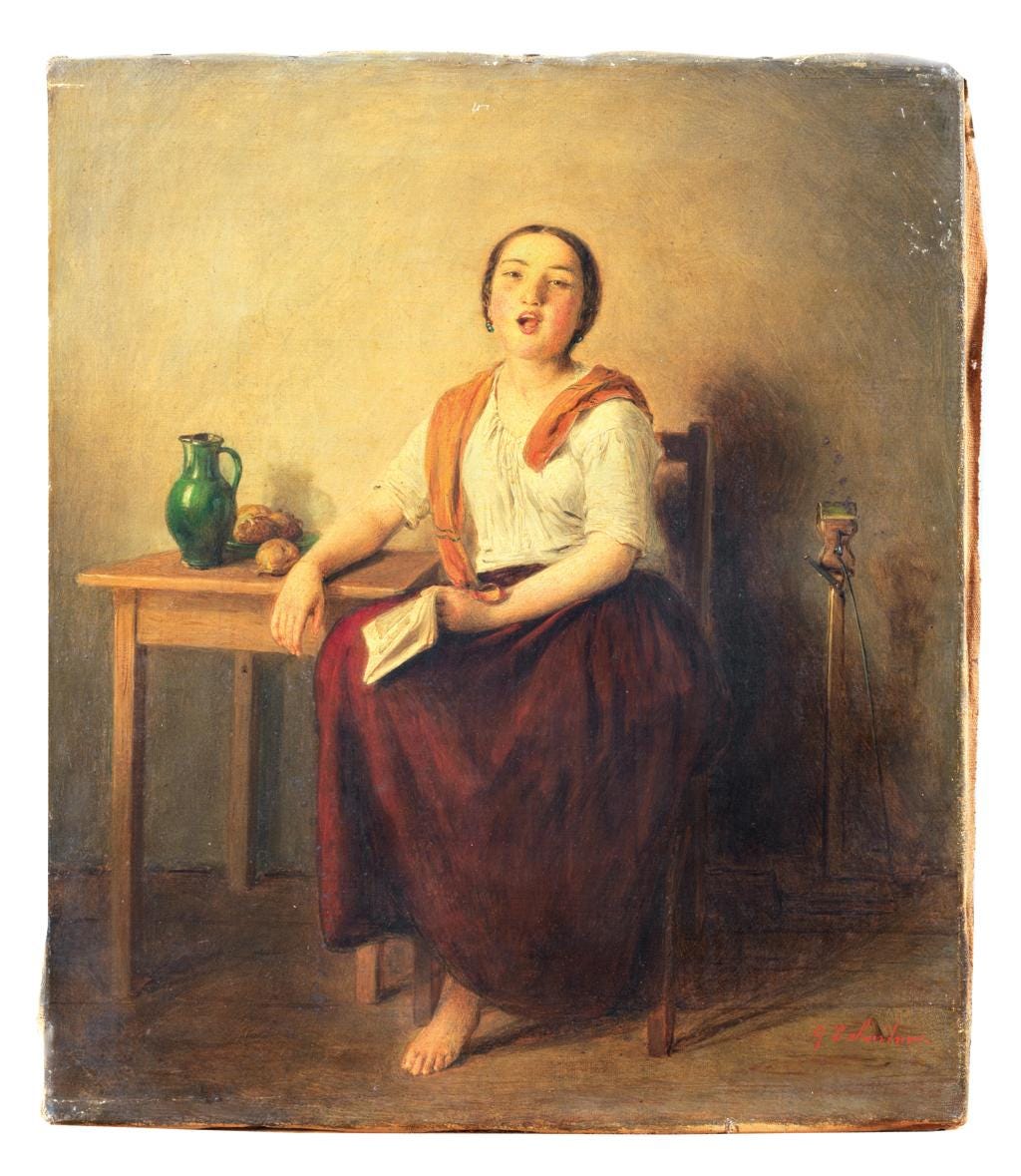
There are certain words and ways with words that Mom had that were unique to her.
“Up the little wooden hill,” she sing-songed when it was our bedtime.
She answered the phone with the most cheery “He-llowwww!” -- even if she had been in the midst of threatening us to within an inch of our lives mere seconds before.
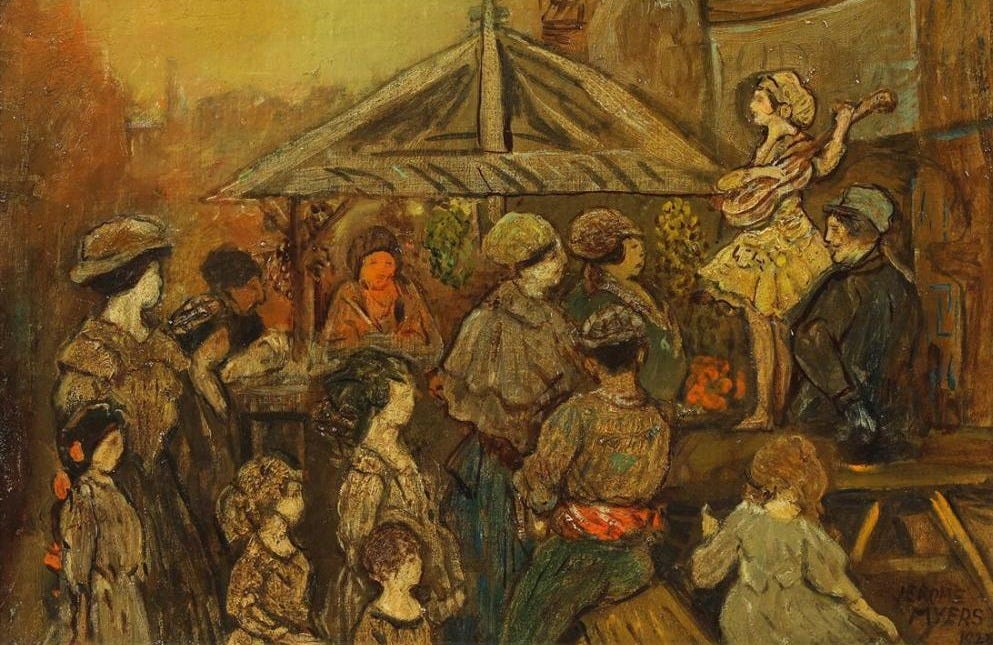
As I write about Leonora, I am trying to recreate a voice in my head. Newspaper articles reported that she was a gifted orator; witty, and with an Irish brogue. But I discovered more about her when I analyzed her speeches and her writing.
She spoke in triads naturally and repeatedly.
“oppressive, pernicious, damaging” — a contract system in three words
“wives, daughters, sisters” — her relational argument, always three.
“without knowledge of business, without knowledge of work, without knowledge of what the world was” — her own direct quote, three parallel clauses.
It’s all the more surprising that Leonora did this almost instinctively as she was without any formal education.
These rhetorical flourishes make a person come to life in a way a transcript can’t. And specific turns of phrases can evoke powerful memories. Alex at three said “Swishwhoppers” for windshield wipers. Just thinking about that makes me smile.
People crave voice.
Not information.
Voice.
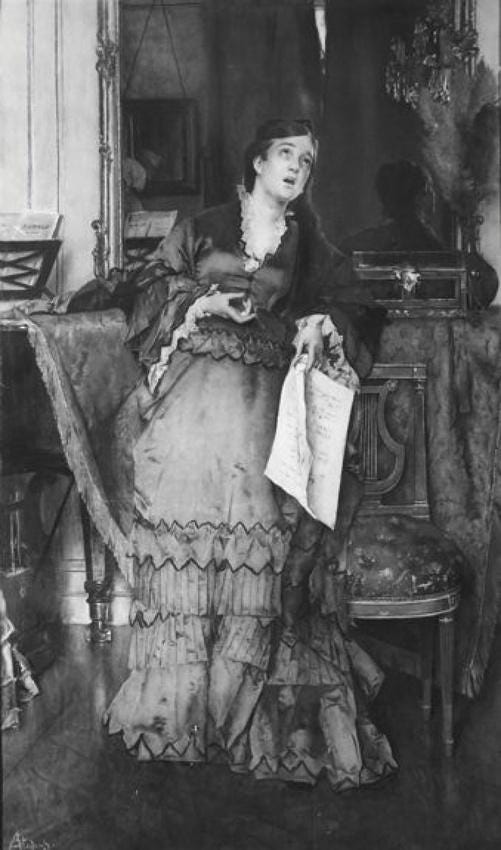
“Di-ANN-NE!” Every Sunday, when she realized it was me, she said my name like that – with an emphatic rising cadence. It sang excitement, pleasure, belonging. If I were to hear my name spoken like that right this moment – I would expect to find my Nana.
When people saw a press release and a picture as proof of life for a months-long missing U.S. Senator people wondered, why is there a weird photo of him sitting up in a hospital bed in jeans. Why didn’t he record his voice?
That’s what makes a person recognizable: the amorphous voice from a phone call, a peculiar turn of phrase, the edge in their voice when they were angry. I may never know exactly what Leonora sounded like, but I have begun to recognize her emotional vocabulary. I can anticipate what angered her, what delighted her, and what arguments she refused to let pass unanswered – with an Irish lilt of course.
Research suggests that the auditory cortex continues to respond to sound even after consciousness fades. Long after sight and other senses begin to shut down, hearing may linger.
Maybe that’s why a photograph isn’t enough.
A familiar phrase can transport us decades into the past. Perhaps the simple answer is we’re wired for sound.
Why I recognized Paul instantly.
Why “swishwhoppers” still makes me smile.
Why I would give anything to hear my grandmother one more time call out “Di-ANN-NE.”
If you enjoy essays that braid history, family stories, forgotten lives, and the small details that make us human, subscribe to Musings of a Storyteller. Every week I follow a thread—a voice, an inscription, a photograph, a historical mystery—and see where it leads.
What I Am Reading
In her book A Ghost in a Throat, Doireann Ni Ghriofa finds that chasing a deceased historical figure becomes an echo for herself. Which I understand. As I look for Leonora’s voice – I am finding my own.

A year ago ....
When I wrote Why Women Fail at Work – Even When Successful, was this Leonora’s story – or my own?
Why Women 'Fail' at Work - Even When Successful

In 1996, the newspaper magnet Gannett was considered a top 100 employer for women by Working Woman magazine. I doubt it would have received the distinction had the magazine known that when G…
Final thoughts
Another week of weird weather - this one brought smoke. Hoping that the forecasted rain this weekend will clear the air for us all.
And if it’s not raining, I hope to have a cook out. The parsley is plentiful and I want to make a chimichurri sauce before I have to share my crop with the Black Swallowtail caterpillars.
Have a lovely, smoke-free weekend!
Looking for the light, always,
Diane
.
That's a very powerful piece of writing ... It certainly made me think slightly differently about some people close to me.
Diane, Love this. I have a recording of my Mom and of me when we recorded tapes to send to my sister who was in Okinawa with her Air Force husband back in the late 60s. I love hearing her voice. And I love hearing your voice. Thanks.